
Genesee County Property Tax Records
Genesee County property tax records are available through the county GIS portal and the Equalization Department at 1101 Beach St. in Flint. Residents, buyers, and researchers can search parcel data, check assessed values, and review tax history for any property in the county. The Equalization Department oversees annual assessments across all townships and cities in Genesee County. This page covers the tools and offices you need to find Genesee County property tax records, whether you search online or go in person.
Genesee County Overview
How to Search Genesee County Property Tax Records
Genesee County runs its own GIS-based property search at gcgis.org. This is the main tool for finding property tax records here. The portal links parcel data with aerial imagery and zoning layers, so you can confirm boundaries and ownership at the same time. Search by owner name, street address, or parcel number. Results show assessed value, taxable value, and current tax details for parcels throughout the county.
Some townships in Genesee County also use BS&A Online for local tax records. If the county GIS portal does not return what you need, try the individual township's BS&A listing. That said, the county portal is the better first stop. It covers the widest range of parcels and tends to have more current assessment data than township-level lookups. Both tools are free for basic public searches. No account is required to view parcel information.
The screenshot below shows the Genesee County property tax search portal used to access Genesee County property tax records online.
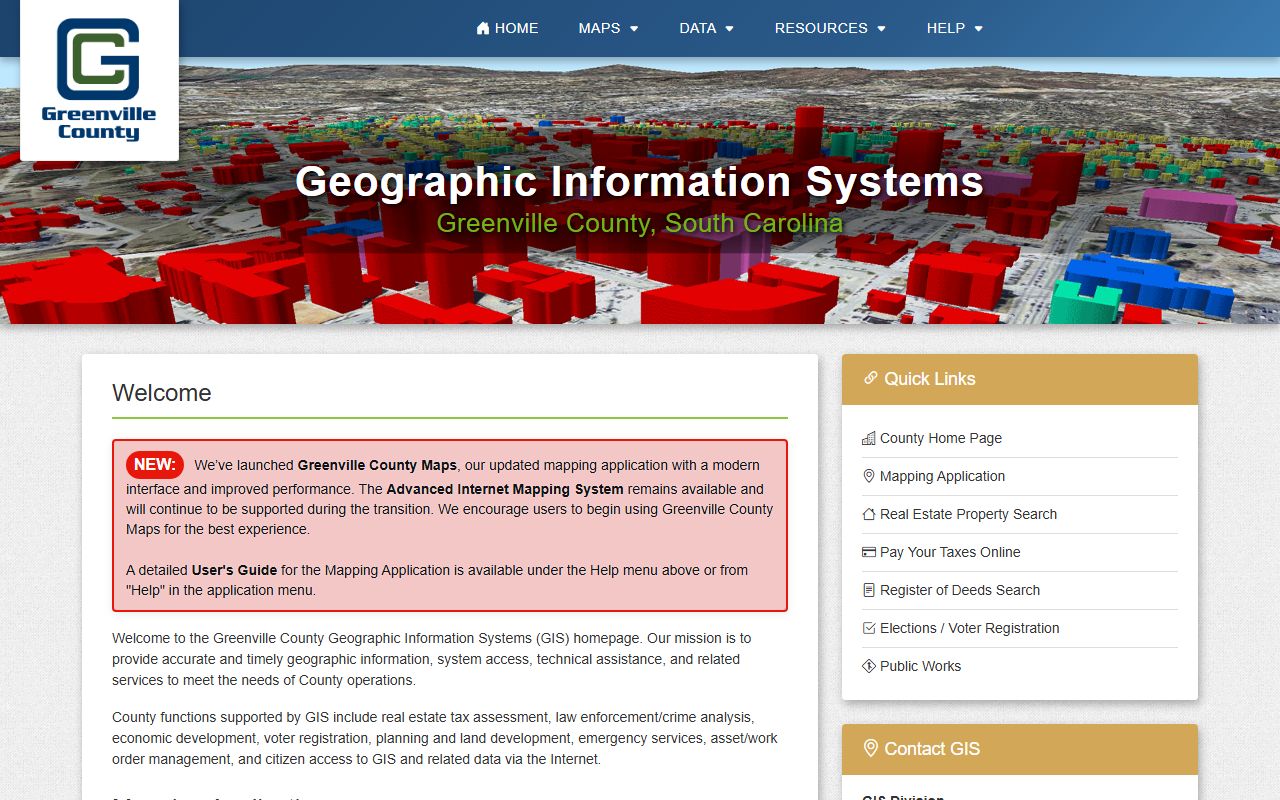
The county updates this portal regularly to reflect current assessment year data for parcels across all jurisdictions in Genesee County.
Genesee County Equalization Department
The Equalization Department reviews and equalizes property assessments across all local units in Genesee County. Director Kristen M. VanNortwick leads the department from the County Administration Building in Flint. Under MCL 211.1 et seq., all taxable property in Michigan must be assessed at 50% of its true cash value. The Equalization Department checks each township's rolls each year and certifies them to the state.
The department also manages special assessments, reviews exemption applications, and provides parcel data to other county offices. Staff can help with questions about how a parcel was valued, what records the county holds, and how the equalization process works in practice. Most records are public and can be viewed during regular office hours. The office is at 1101 Beach St., Flint, MI 48502.
| Office | Genesee County Equalization Department |
|---|---|
| Director | Kristen M. VanNortwick |
| Address | 1101 Beach St., Flint, MI 48502 |
| Phone | 810-257-3010 |
| Online Search | Genesee County GIS Property Search |
Note: The Equalization Department and Register of Deeds share the building at 1101 Beach St., so you can handle multiple record requests in a single visit.
Genesee County Register of Deeds
The Register of Deeds records all real estate instruments in Genesee County. That includes deeds, mortgages, liens, and easements. When a property is sold, the new owner must file a Property Transfer Affidavit (Form L-4025) with the local assessor within 45 days of the transfer. This triggers the uncapping of taxable value in the following tax year, as required under Michigan law. Missing this deadline can result in penalties.
The office is led by John R. Gleason and is located at 1101 Beach St., the same building as the Equalization Department. You can search recorded documents online through the Genesee County Register of Deeds website. The standard recording fee in Michigan is $30 per document. Copies cost $1 per page. Certified copies are $5. Call the office at 810-257-3060 for document requests or questions about recorded instruments.
Recorded documents tie directly to property tax records. Deeds confirm ownership and liens can affect tax status. Checking both the GIS portal and the Register of Deeds gives a full picture of any property's history in Genesee County.
Property Tax Assessment in Genesee County
Assessments in Genesee County are set as of December 31 each year. That date is Michigan's Tax Day under MCL 211.30. Township and city assessors value parcels in their jurisdictions, and the county Equalization Department then reviews those values to confirm they meet the required 50% of true cash value standard. Assessment notices go out to property owners in February each year.
Genesee County includes a wide mix of property types. Urban residential parcels in Flint sit alongside industrial properties, commercial corridors, and rural township lots. Millage rates vary a lot across the county. The same assessed value can produce very different tax bills depending on where the parcel is located. Township millage rates, city rates, and school district levies all factor into the final bill, so it is worth checking the specific rates for a parcel's jurisdiction before estimating taxes.
When ownership changes, taxable value uncaps and resets to the state equalized value the following year. Buyers should use the Michigan Property Tax Estimator before closing. The Michigan Treasury offers statewide guidance on how assessments work and what to expect from the process.
Property Tax Exemptions in Genesee County
Several exemptions can reduce the property tax bill for Genesee County owners. The Principal Residence Exemption (PRE) is the most common. Under MCL 211.7u, homeowners who use the property as their primary residence can remove 18 mills from the school operating tax. File Form 2368 with your local assessor by June 1. Given the millage rates across parts of Genesee County, this exemption can mean real savings each year.
Agricultural property may qualify under MCL 211.7v if it meets the statutory definition of a farm operation. The Poverty Exemption is available for low-income homeowners who pass income and asset tests. Submit Forms 5737 and 4988 to your township assessor. The March Board of Review decides on poverty exemptions each year. Disabled veterans and surviving spouses may also qualify for a full or partial exemption under Michigan law. Contact the Equalization Department at 810-257-3010 for details on any of these programs.
Appealing Your Genesee County Assessment
Think your property is over-assessed in Genesee County? Start with the March Board of Review in your local township or city. You can appear in person or file a written protest before the deadline. Bring evidence supporting a lower value. Recent appraisals and comparable sales from nearby properties tend to carry the most weight. The Board can reduce or leave your assessment as is.
If the Board of Review does not fix the problem, the next step is the Michigan Tax Tribunal. The MTT hears property tax appeals statewide. For residential property, the filing deadline is July 31. For commercial property it is May 31. The Tribunal can be reached at 517-335-9760. Your rights throughout the appeal process are outlined in the Property Taxpayer's Bill of Rights under MCL 205.735.
Note: Keep all paperwork from the Board of Review hearing if you plan to file with the Tax Tribunal, as that record may be referenced in your case.
Genesee County Property Tax Payments
Summer taxes in Genesee County are typically billed in July and due in September. Winter taxes are billed in December and due in February. Due dates vary by township, so check with your local treasurer for exact deadlines. Once taxes go delinquent, they transfer to the Genesee County Treasurer's office for collection.
Treasurer Deborah A. Cherry's office handles delinquent property taxes, payment plans, and properties that have entered forfeiture. Call 810-257-3050 or visit geneseecountymi.gov/departments/treasurer for payment options and delinquent tax procedures. Delinquent taxes accrue interest and fees under Michigan law, so paying them off quickly limits the total owed. Properties that stay delinquent for three years can enter the county foreclosure process and be lost.
Cities in Genesee County
Genesee County includes several cities and townships. The largest is Flint, which has its own dedicated city page with information specific to property tax records there. Other communities in the county include Burton, Fenton, Grand Blanc, Linden, Montrose, and Swartz Creek, along with a number of townships. Property tax records for all these areas are managed through the county Equalization Department and the GIS portal at gcgis.org.
Nearby Counties
These counties border or are near Genesee County. Each has its own equalization office and property search system. Confirm which county a parcel belongs to before searching, especially near county lines.