
Gogebic County Property Tax Records
Gogebic County property tax records are managed by the Equalization Department in Bessemer, Michigan. Parcel data, assessed values, and tax history for all properties in the county can be searched through the BS&A Online portal. Located in Michigan's Upper Peninsula and bordering Wisconsin, Gogebic County has a mix of residential, forestry, and recreational parcels spread across its townships. This page covers how to search Gogebic County property tax records, the offices involved, exemption options, and how the appeal process works.
Gogebic County Overview
How to Search Gogebic County Property Tax Records
Gogebic County uses BS&A Online for public access to property tax records. The portal at bsaonline.com/?uid=3300 lets you search by owner name, parcel number, or street address. Results include the current owner, legal description, assessed value, taxable value, and tax payment history. This covers all townships within Gogebic County. No account is required for basic lookups, and the portal is free to use.
Online GIS access in Gogebic County is limited compared to more urban counties, so the BS&A portal is your primary tool. If you cannot find a parcel online, the next step is to call or visit the Equalization Department in Bessemer. Staff can assist with lookups and can access records that may not be fully captured in the online system. Gogebic County covers a large geographic area, and some older rural parcels may have records that require in-person review.
The screenshot below shows the BS&A portal used to access Gogebic County property tax records online.
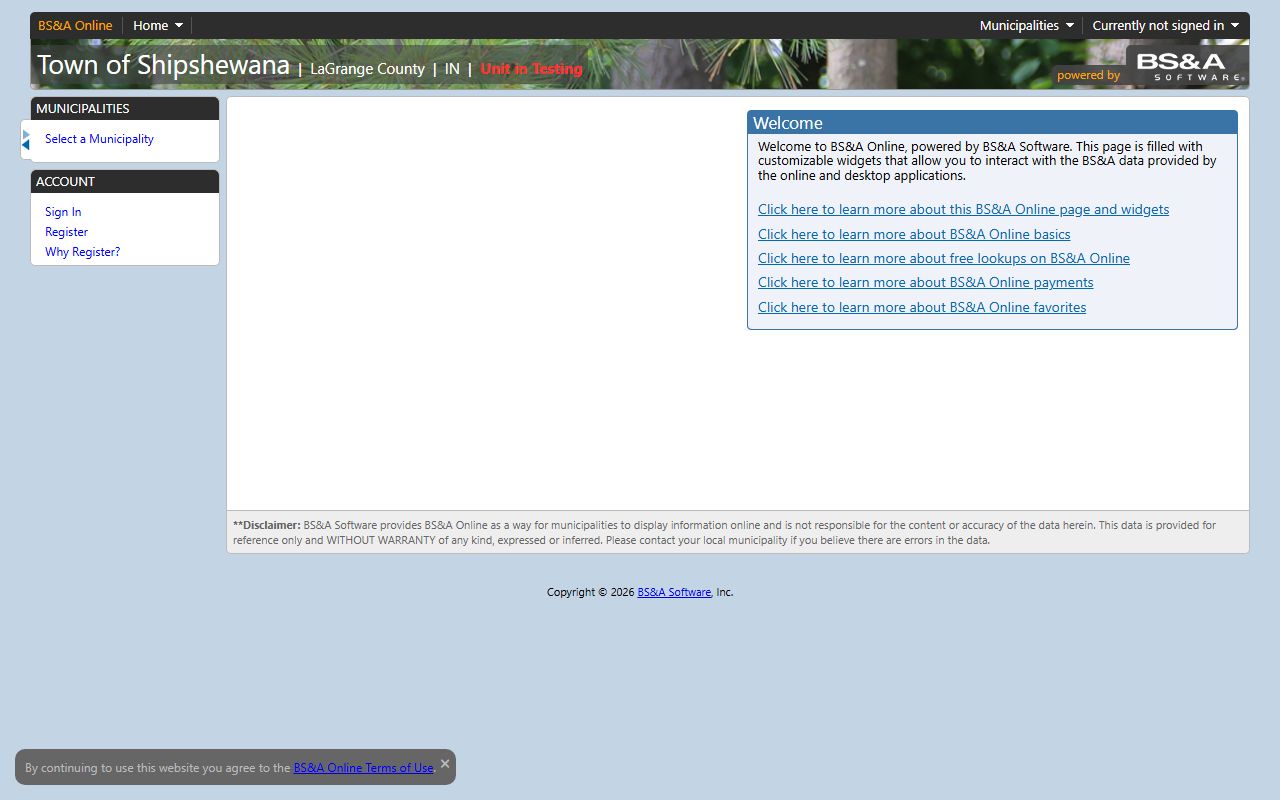
The portal is maintained by the county and reflects current assessment data for parcels across Gogebic County's townships.
Gogebic County Equalization Department
The Equalization Department in Gogebic County is responsible for reviewing and certifying property assessments across all local townships. Director Brian D. Cerasoli leads the department from the courthouse in Bessemer. Under MCL 211.1 et seq., all taxable property in Michigan must be assessed at 50% of its true cash value. The Equalization Department checks each township's rolls annually and adjusts them when necessary to meet that standard before certifying to the state.
The office also handles exemption applications, special assessment rolls, and maintains county parcel data. Most records held by the department are public. If you have questions about how a property was valued or need records not available online, contact the office directly. The department is at 200 N. Moore St. in Bessemer, MI 49911.
| Office | Gogebic County Equalization Department |
|---|---|
| Director | Brian D. Cerasoli |
| Address | 200 N. Moore St., Bessemer, MI 49911 |
| Phone | 906-667-0228 |
| Online Search | BS&A Online - Gogebic County |
Note: The Equalization Department and Register of Deeds are both located at 200 N. Moore St., making it easy to handle multiple requests in one trip to Bessemer.
Gogebic County Register of Deeds
The Register of Deeds in Gogebic County records all real estate documents, including deeds, mortgages, liens, and easements. These records form the legal chain of ownership for every parcel in the county. When a property is transferred, the new owner must file a Property Transfer Affidavit (Form L-4025) with the local assessor within 45 days. This is required under Michigan law. The affidavit triggers the uncapping of taxable value in the following tax year, reflecting the new market-based assessment.
The Register of Deeds is led by Cindy M. Nelson and is located at 200 N. Moore St. in Bessemer. Call 906-667-0393 for questions about recorded documents or to request copies. The standard recording fee in Michigan is $30 per document, with copies at $1 per page and certified copies at $5. Recorded instruments from this office are useful when combined with property tax records from the BS&A portal to verify full ownership and tax history.
Property Tax Assessment in Gogebic County
Gogebic County property is assessed each year as of December 31, Michigan's Tax Day under MCL 211.30. Township assessors set values for each parcel in their jurisdiction, and the county Equalization Department reviews those values to verify they meet the 50% of true cash value standard required by state law. Assessment notices are sent to property owners in February.
Gogebic County is known for heavy forestland, recreational lakes, and properties tied to snowmobile and outdoor tourism. Many parcels in the county are seasonal or recreational use properties. These are assessed the same as any other parcel based on market value, regardless of how often the owner uses the property. Owners of forested or recreational parcels should check whether their land qualifies for a managed forest or commercial forest exemption, which can significantly reduce taxes on eligible acreage.
When a property transfers, the taxable value uncaps and resets to the assessed value in the following year. This can mean a big jump in taxes for the new owner. Buyers should use the Michigan Property Tax Estimator to plan ahead. The Michigan Treasury provides additional detail on how the statewide assessment process works.
Property Tax Exemptions in Gogebic County
Gogebic County property owners have access to several tax exemption programs. The Principal Residence Exemption (PRE) removes 18 mills from the school operating tax for owners who use the property as their primary home. Under MCL 211.7u, file Form 2368 with your local township assessor by June 1 to claim it. Seasonal or vacation property does not qualify since it is not a primary residence.
Agricultural property may be eligible under MCL 211.7v if it meets the statutory requirements. Gogebic County's extensive forested land may also qualify for managed forest or commercial forest programs administered through the Michigan Department of Natural Resources. These programs offer significant tax reductions in exchange for following a state-approved management plan. The Poverty Exemption is available for homeowners who meet income and asset thresholds. File Forms 5737 and 4988 with your township assessor. Disabled veterans and surviving spouses may also qualify for exemptions. Contact the Equalization Department at 906-667-0228 for guidance.
Appealing Your Gogebic County Assessment
Property owners in Gogebic County who believe their assessment is too high can appeal through the March Board of Review in their local township. You must file a written protest or appear in person before the deadline set by the township. Bring documentation such as a recent appraisal or evidence of comparable sales in the area. The Board can reduce or confirm your assessment.
If the Board of Review does not resolve the issue, the next step is the Michigan Tax Tribunal. The MTT handles property tax disputes from across Michigan. The filing deadline for residential property is July 31 and for commercial property it is May 31. The MTT can be reached at 517-335-9760. The Property Taxpayer's Bill of Rights under MCL 205.735 describes your rights throughout the appeal process, from the initial Board of Review through the Tribunal.
Note: In rural areas like Gogebic County, finding truly comparable sales can be harder. A licensed appraiser familiar with the local market is a solid investment if you plan to appeal.
Gogebic County Property Tax Payments
Summer taxes in Gogebic County are typically billed in July and due in September. Winter taxes are billed in December and due in February. Due dates can vary by township, so always confirm deadlines with your local treasurer. Delinquent taxes are forwarded to the Gogebic County Treasurer after they become past due at the township level.
Treasurer Lisa A. Humes handles delinquent property taxes, payment plans, and forfeiture proceedings in Gogebic County. Call 906-663-4511 to ask about a delinquent balance or to discuss payment options. Under Michigan law, delinquent taxes accrue interest and fees that grow over time. Properties left delinquent for three years can enter the county forfeiture and foreclosure process. Addressing delinquent taxes quickly is the best way to keep the total owed low and protect ownership of the property.
Cities in Gogebic County
Gogebic County is a rural Upper Peninsula county. Bessemer is the county seat. Other communities include Ironwood, Wakefield, Watersmeet, and several townships. None of these municipalities meet the population threshold for individual city pages on this site. Property tax records for all areas of Gogebic County are handled through the Equalization Department and the BS&A online portal at bsaonline.com.
Nearby Counties
These Michigan counties border Gogebic County. Gogebic County also borders Wisconsin to the south and west. Confirm which county a parcel is in before searching, especially near the county or state line.