
Oscoda County Property Tax Records Lookup
Oscoda County property tax records are managed by the County Equalization Department in Mio. This small northeast Michigan county offers both online and in-person access to parcel data, assessed values, and land records. Oscoda County provides a free land records search tool through Fidlar, which is useful for deed and document research. This guide covers how to search Oscoda County property tax records, which offices to contact, and how to appeal an assessment if you think your property is valued too high.
Oscoda County Overview
How to Search Oscoda County Property Tax Records
Oscoda County offers a free land records search through Fidlar at mioscoda.fidlar.com/MIOscoda/DirectSearch. This portal provides direct access to recorded documents and land records for Oscoda County. You can search by name, document type, or other criteria to find deeds, mortgages, and related instruments. The free access makes it accessible to any member of the public without creating an account or paying fees.
The screenshot below shows the Oscoda County free records and BS&A property tax search portal. This is the primary online tool for finding Oscoda County property tax and land records.
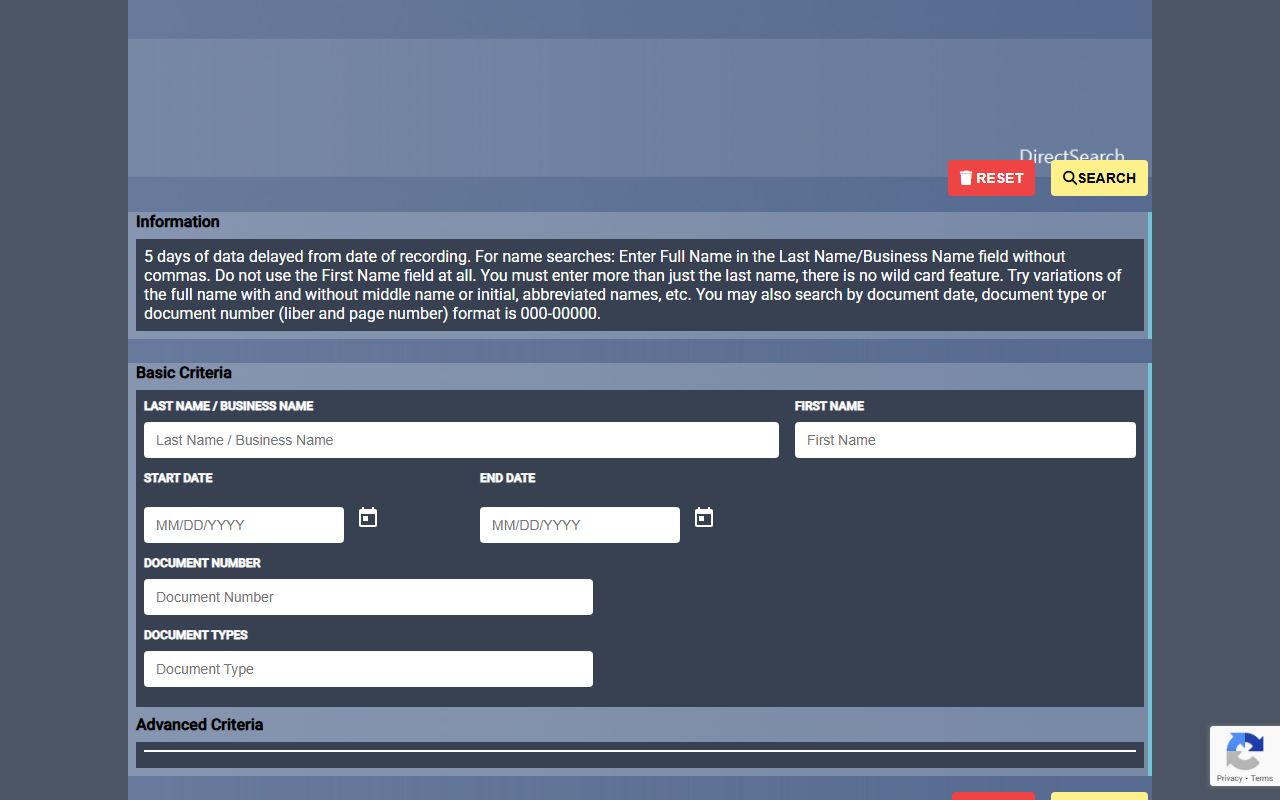
The portal reflects current data and covers records filed in Oscoda County. For assessment and parcel data specifically, the Equalization Department at 311 South Morenci Ave in Mio is your direct contact. The Equalization office can look up assessed values, taxable values, and parcel details for any property in the county. Call 989-826-1110 during business hours Monday through Friday, 8:30 AM to 4:30 PM.
State-level tools from the Michigan Treasury also provide supplemental access for property tax research when county portals don't cover everything you need.
Oscoda County Equalization Department
The Equalization Department is the main office for property assessment records in Oscoda County. It oversees the annual process that sets assessed values for all real and personal property across the county. Under MCL 211.1 et seq., all property in Michigan must be assessed at 50% of its true cash value. The Equalization Department reviews township assessments each year and adjusts them to meet that requirement. The office also handles exemption applications and maintains the county's property data files.
Oscoda County's Clerk and Register of Deeds office handles property document recording and land records at the same courthouse location. The Clerk/Register is Libby Marsh-Shephard, reachable at 989-826-1110 or by email at countyclerk@oscodacountymi.com. Most records are public and available during regular business hours.
| Office | Oscoda County Equalization / Clerk & Register |
|---|---|
| Clerk/Register | Libby Marsh-Shephard |
| Address | 311 South Morenci Ave, Mio, MI 48647 |
| Mailing | PO Box 399, Mio, MI 48647 |
| Phone | 989-826-1110 |
| Hours | Mon-Fri 8:30 AM - 4:30 PM |
| Free Land Records | Fidlar Free Search - Oscoda County |
Oscoda County Register of Deeds
In Oscoda County, the Clerk's office also serves as the Register of Deeds. All real estate documents, including deeds, mortgages, liens, and other instruments affecting property ownership, are recorded here. The free Fidlar search portal at mioscoda.fidlar.com allows public access to these recorded documents at no cost. This is a notable benefit for researchers and property owners in Oscoda County, since many Michigan counties charge for online document access.
When a property changes hands in Oscoda County, the new owner should file a Property Transfer Affidavit (Form L-4025) with the local assessor within 45 days of the transfer date. This ensures the taxable value cap is handled correctly after the sale. The standard recording fee in Michigan is $30 per document. Copies cost $1 per page, and certified copies are $5. Fax submissions can be sent to 989-826-1136.
Note: The free Fidlar portal is a strong public access tool for Oscoda County land records and is worth using before requesting copies in person or by mail.
Property Tax Assessment in Oscoda County
Property in Oscoda County is assessed each year as of December 31, Michigan's Tax Day under MCL 211.30. Township assessors set values for each parcel, and the County Equalization Department reviews those values to confirm they meet the 50% of true cash value standard. Assessment notices go out in February. Owners should review the notice and check both the assessed value and the taxable value, which often differ depending on how long the property has been owned and whether it has recently transferred.
Michigan caps taxable value increases at the lesser of the inflation rate or 5% annually, as long as the property stays with the same owner. When a sale occurs, the cap lifts and taxable value resets to the assessed value in the next tax year. Oscoda County has many recreational and rural properties that have been held for long periods, so buyers should use the Michigan Property Tax Estimator to check what taxes to expect after a purchase. The gap between capped taxable value and current assessed value can be large on older holdings.
Property Tax Exemptions in Oscoda County
The Principal Residence Exemption (PRE) reduces property taxes for Oscoda County homeowners who use their property as their primary residence. Under MCL 211.7u, the PRE removes 18 mills from the school operating tax. File Form 2368 with your local assessor by June 1. Once approved, it does not need annual renewal. You must notify the assessor if you move out or begin renting the property.
Oscoda County has significant forest and rural land, and agricultural or qualifying timber properties may be eligible for exemptions or special classification under MCL 211.7v and related statutes. The Poverty Exemption is available for low-income homeowners who meet income and asset tests. File Form 5737 and Form 4988 with your local township assessor. The March Board of Review rules on these requests. Veteran exemptions are also available under Michigan law for eligible disabled veterans and their surviving spouses.
Appealing Your Oscoda County Assessment
Property owners who believe their Oscoda County assessment is too high should start with the March Board of Review. The board meets each March to hear protests. You can appear in person or file a written protest before your local township's deadline. Bring evidence of your property's value, such as a recent appraisal or sales data from comparable properties in the area. The March Board of Review is the place to dispute the current year's assessed value, so acting before the deadline is critical.
If the Board of Review doesn't resolve the issue, you can file with the Michigan Tax Tribunal. The MTT hears property tax appeals from all Michigan counties. The filing deadline for residential property is July 31. For commercial property, it is May 31. The MTT can be reached at 517-335-9760. Your rights in the process are laid out in the Property Taxpayer's Bill of Rights under MCL 205.735.
Oscoda County Property Tax Payments
The Oscoda County Treasurer is William Kendall. The Treasurer's office is at 311 S. Morenci Ave, PO Box 399, Mio, MI 48647. Call 989-826-1113 or email treasurer@oscodacountymi.com for delinquent tax questions or payment arrangements. The Treasurer collects delinquent taxes after they are turned over from local townships. Summer taxes are typically due in September and winter taxes in February, though exact due dates vary by township.
Once taxes become delinquent and are forwarded to the county, the Treasurer manages collections, payment plans, and properties that have entered forfeiture. Michigan law allows property to be foreclosed if taxes remain unpaid long enough. If you are behind on Oscoda County property taxes, contact the Treasurer's office as early as possible. Acting early gives you more options and reduces the total fees and interest that accumulate on the unpaid balance.
Note: Delinquent property taxes in Michigan accrue interest and fees, so the longer you wait, the more you owe.
Cities in Oscoda County
Oscoda County is a rural county in northeast Michigan. Mio is the county seat and largest community. Other communities include Luzerne and Fairview. None of these municipalities reach the population threshold for individual city pages. Property tax records for all communities in Oscoda County are handled through the Equalization Department and the county's online tools.
Nearby Counties
These counties are near Oscoda County in northeast Michigan. Each has its own equalization office and property records system. If a parcel is near a county boundary, confirm which county it falls in before you search.