
Property Tax Records in Chippewa County
Chippewa County property tax records are managed by the Equalization Department in Sault Ste. Marie, Michigan. Chippewa is Michigan's largest county by land area and covers a wide range of property types including forested land, lakefront parcels, and residential areas in the Upper Peninsula. You can search Chippewa County property tax records online using the county's BS&A portal and GIS mapping tools. This page explains the search process, the offices involved, and how to appeal an assessment or claim an exemption.
Chippewa County Overview
How to Search Chippewa County Property Tax Records
Chippewa County offers two primary tools for searching property tax records online. The BS&A Online portal is the main database for parcel assessments and tax history. The county's ArcGIS mapping system provides a visual, map-based way to locate and review parcels. Both tools are free to use and cover all local taxing units in the county.
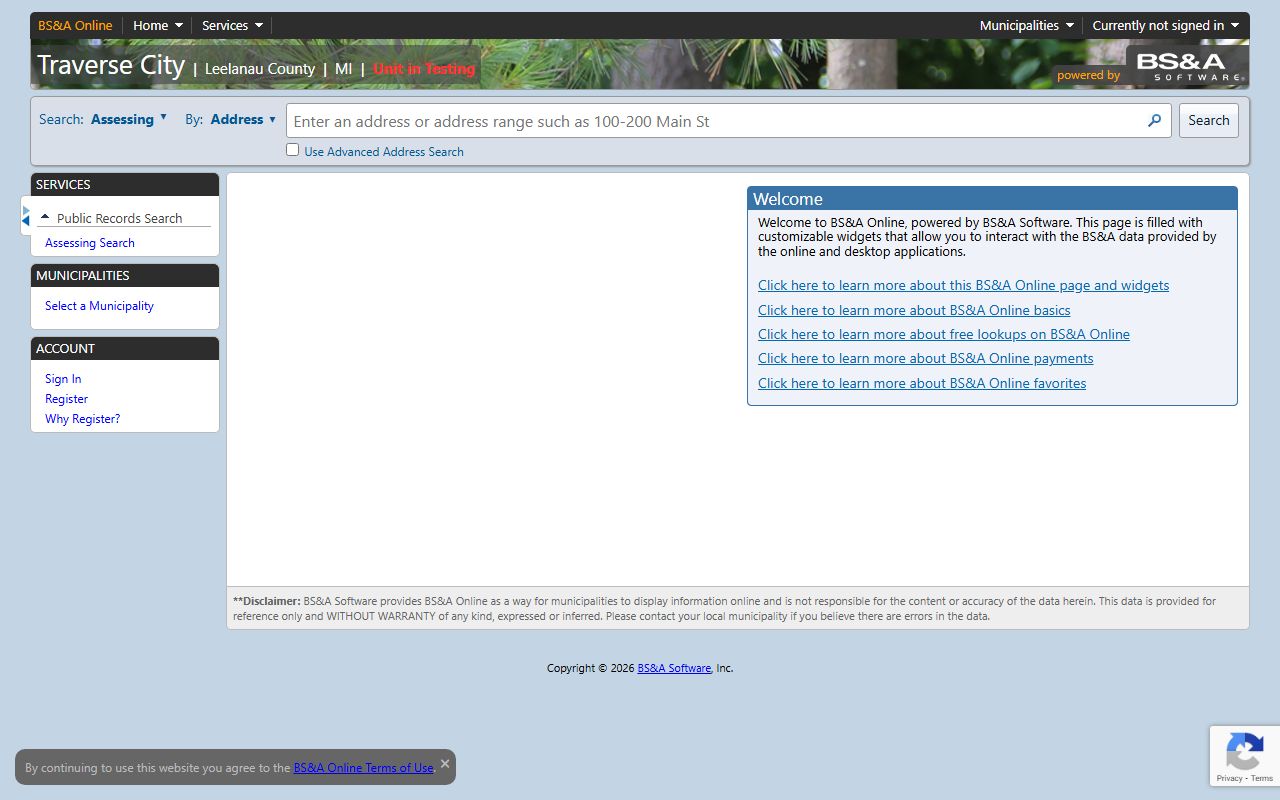
Start your search at the Chippewa County BS&A Online portal. You can look up any parcel by owner name, property address, or parcel ID number. The results show assessed value, taxable value, property class, school district, exemption status, and recent tax history. This data comes from local assessing offices across the county's townships and cities and is updated on a regular basis.
The portal below is the primary gateway for Chippewa County property tax records online. It covers all parcels in the county, from the city of Sault Ste. Marie to rural townships on the Upper Peninsula. Visit the Chippewa County property tax search portal to look up a parcel now.
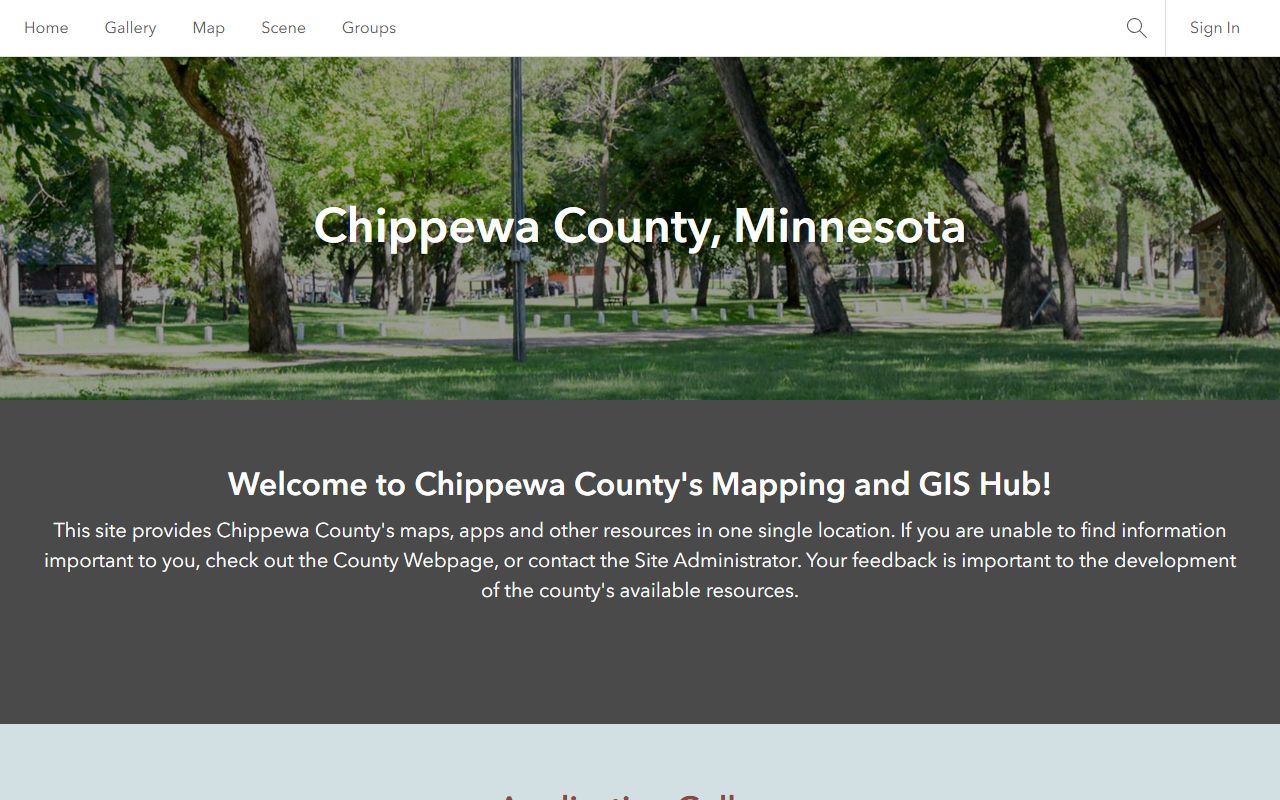
For parcels in remote or rural areas of Chippewa County, the Chippewa County ArcGIS GIS mapping system is a helpful supplement to the BS&A database. You can navigate the map to any area of the county, click a parcel, and view its basic information. The GIS system is especially useful when you know the physical location but not the parcel number or owner name.
Chippewa County includes significant tribal lands and state forest parcels, which may appear differently in the database or may not be taxable. If a parcel does not appear in a standard search, contact the Equalization Department for guidance on how that land is classified and assessed.
Note: Contact the Chippewa County Equalization Department at 906-635-6304 if you cannot locate a parcel or if the data shown does not match your records.
Chippewa County Equalization Department
The Chippewa County Equalization Department oversees property assessment across one of Michigan's most geographically diverse counties. Linda K. Kidd serves as Equalization Director. Her office works to ensure that all parcels are assessed at 50% of true cash value as required by MCL 211.1 et seq. This involves reviewing assessments from all local units each year and applying county equalization factors when needed.
Chippewa County has a mix of property types from residential and commercial in Sault Ste. Marie to large tracts of agricultural and forested land in rural townships. The Equalization Department must account for these differences when reviewing local assessments. The department also manages the parcel database that supports the county's online tools and GIS system. For questions about property classification, land use designations, or how your assessed value was set, the Equalization Department is the right office to contact.
| Department | Chippewa County Equalization |
|---|---|
| Director | Linda K. Kidd |
| Address | 319 Court St., Sault Ste. Marie, MI 49783 |
| Phone | 906-635-6304 |
| Hours | Monday through Friday, 8:00 AM to 5:00 PM |
| Online Search | BS&A Online Portal |
| GIS Mapping | Chippewa County ArcGIS |
Chippewa County Register of Deeds
The Chippewa County Register of Deeds records and maintains all documents affecting real property in the county. Sharon C. Kennedy serves as Register of Deeds. Her office is located at 319 Court St. in Sault Ste. Marie and can be reached at 906-635-6303. The Register records deeds, mortgages, liens, easements, and related instruments. These records form the official chain of title for all taxable parcels in Chippewa County.
When a property changes hands in Chippewa County, the buyer is required to file a Property Transfer Affidavit (Form L-4025) with the local township or city assessor within 45 days of closing. This filing notifies the assessor of the transfer and triggers the uncapping of taxable value for the next assessment year. Standard recording fees in Michigan are $30 per document. Copies are $1 per page, and certified copies are $5 each.
For buyers of remote Upper Peninsula property in Chippewa County, a thorough deed search through the Register of Deeds is important. Land in this area often has complex histories involving timber rights, mineral rights, and easements. Staff can help you search the grantor and grantee indexes and make copies of documents you need. Many records from recent decades are accessible through the office's indexing system.
Property Tax Assessment in Chippewa County
Local assessors in Chippewa County set property values each year as of December 31, the statewide Tax Day under MCL 211.30. Assessed value is set at 50% of true cash value. The Chippewa County Equalization Department then reviews all local assessments to make sure they are at the correct ratio before state equalization is finalized.
Michigan's taxable value cap applies in Chippewa County just as it does statewide. Taxable value can only grow by the lesser of 5% or the rate of inflation each year, regardless of how much the assessed value changes. This cap protects long-term owners from rapid tax increases when property values rise. When a property is sold, the cap resets, and the new taxable value equals the assessed value. For buyers of hunting land, cabins, or lakefront property in Chippewa County, this reset is important to factor into the cost of ownership from year one.
Assessment notices go out in February. They show prior and current assessed and taxable values and the deadline for appealing to the Board of Review. If you want to contest your assessment, you must act before the March deadline. The Michigan Department of Treasury's property tax resources explain the rules that govern assessments statewide. Use the Michigan Property Tax Estimator to model how different taxable values affect your bill.
Property Tax Exemptions in Chippewa County
Chippewa County property owners can apply for several exemptions that reduce their property tax burden. The Principal Residence Exemption is the most widely used. Under MCL 211.7u, if your home is your primary residence, you qualify for an 18-mill reduction in the school operating levy. File Form 2368 with your local city or township assessor by June 1. The exemption stays active until you move or sell. In Chippewa County, where many properties are seasonal camps or hunting cabins, confirming that a parcel has the PRE on file before buying can save you from unexpected taxes.
Agricultural land in Chippewa County may qualify for the Agricultural Exemption under MCL 211.7v. Enrolled farmland is assessed at its agricultural use value rather than market value. This is relevant for the county's working farms and some types of managed forested land. Contact the local assessor or the Equalization Department to ask whether a specific parcel qualifies.
Low-income homeowners can apply for a poverty exemption using Form 5737 and Form 4988. These must be filed with the local assessor before the March Board of Review. Disabled veterans may qualify for a full exemption from property taxes. Reach the Chippewa County Equalization Department at 906-635-6304 to ask about eligibility. The Treasurer, Lynn A. Koehler, handles payments and can be reached at 906-635-6300 for billing questions.
Appealing Your Chippewa County Assessment
Property owners in Chippewa County who disagree with their assessment have the right to appeal. The process starts at the local March Board of Review in your township or city. The board meets each March and hears protests from property owners. You can attend in person or submit a written protest. Supporting evidence is important. Bring a recent appraisal, comparable sales from the same market area, or documentation of any condition issues that lower the value of your property.
If the March Board of Review does not resolve your issue, the next step is the Michigan Tax Tribunal. The MTT is an independent body that hears all property tax disputes in the state. The filing deadline for residential property is July 31. Commercial and industrial property owners must file by May 31. You can reach the MTT at 517-335-9760. Your rights throughout this process are protected by the Michigan Taxpayer's Bill of Rights, MCL 205.735.
Lynn A. Koehler serves as Chippewa County Treasurer and can be reached at 906-635-6300. Her office at 319 Court St. in Sault Ste. Marie handles property tax billing, payments, and delinquency. If your taxes are overdue or you need help with a payment arrangement, contact the Treasurer's office as early as possible to avoid further penalties.
Note: Continue paying your property tax during an appeal. Failure to pay on time results in interest charges regardless of the appeal outcome.
Cities in Chippewa County
Chippewa County is the largest county in Michigan by land area and includes the city of Sault Ste. Marie as its county seat. No cities in Chippewa County meet the population threshold for individual city pages on this site. Other communities include Kinross Township, Rudyard, and Brimley. All Chippewa County property tax records can be searched through the Chippewa County BS&A portal.
Nearby Counties
Chippewa County sits at the eastern tip of the Upper Peninsula. These neighboring counties each have their own assessing offices and property tax record systems.